Bhiwadi
08042781580
+918076792323

Products

68179d65be22ee500d53ff54 Card 2

product image
Battery Replacement In Faridabad

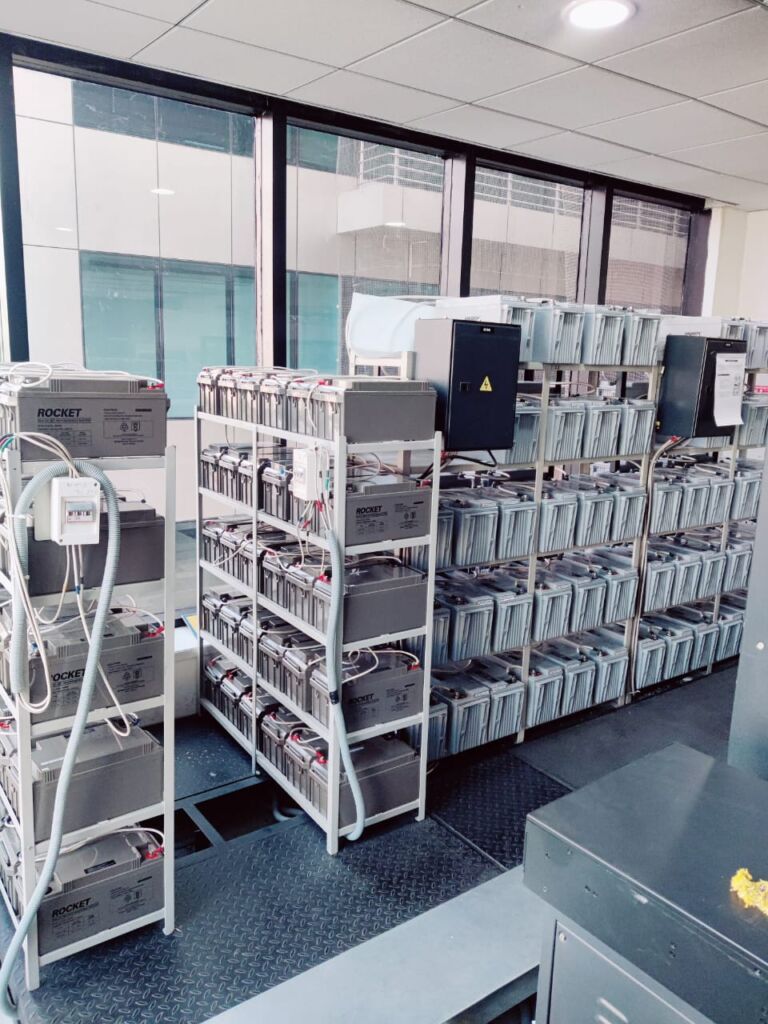
Battery replacement is a common maintenance task for various types of power systems, including solar systems, electric vehicles (EVs), UPS (uninterruptible power supplies), and other battery-powered devices. The process and requirements can vary depending on the type of battery used. Below, I'll provide an overview of common types of batteries and the replacement process for each. Types of Batteries and Their Replacement Process 1. Lead-Acid Batteries Common Types: Flooded Lead-Acid (FLA): Requires regular maintenance, such as adding distilled water to the cells. Sealed Lead-Acid (SLA): Maintenance-free and does not require water addition. Absorbent Glass Mat (AGM): A type of SLA battery where the electrolyte is absorbed in glass mats. Gel Lead-Acid Batteries: These use a gel electrolyte instead of liquid and are often used in deep-cycle applications. Replacement Process: Turn off the system: Ensure the system is powered off, and disconnect it from the grid or load. Safety precautions: Wear protective gear, including gloves and goggles, since lead-acid batteries contain sulfuric acid and produce flammable gases. Disconnect terminals: Always disconnect the negative terminal first, followed by the positive terminal. Remove old batteries: Lift and remove the batteries carefully, especially if they're heavy. Clean battery terminals: Inspect and clean the terminals, and remove any corrosion using a mixture of baking soda and water. Install new batteries: Place the new battery in the same configuration as the old one, then reconnect the positive terminal first, followed by the negative terminal. Check the system: Power on the system and check the voltage and charging status. Maintenance Tips: Regularly check the electrolyte levels in flooded batteries. Clean terminals and ensure the battery box or tray is secure. 2. Lithium-Ion Batteries Common Types: Lithium Iron Phosphate (LiFePO4): Common in solar systems and EVs due to its high efficiency and long lifespan. Lithium Nickel Manganese Cobalt (NMC): Found in high-power applications such as EVs and power tools. Lithium Manganese (LiMn2O4): Often used in EVs, power tools, and other high-power applications. Lithium Polymer (LiPo): Typically used in small devices like drones, power banks, and mobile phones. Replacement Process: Turn off the system: Disconnect the power source or system. Safety precautions: Lithium-ion batteries are generally safe but should be handled carefully to avoid overheating, short-circuiting, or damage. Disconnect terminals: Start by disconnecting the negative terminal followed by the positive terminal. Remove the old battery: Lithium-ion batteries are typically lighter and easier to replace than lead-acid batteries. Install the new battery: Place the new battery in the same orientation and secure it. Reconnect terminals: Attach the positive terminal first, followed by the negative terminal. Check the system: Power on the system, and monitor the battery's charging and discharging to ensure it's working properly. Maintenance Tips: Lithium-ion batteries require minimal maintenance, but always ensure they are charged within the recommended voltage range. Battery Management System (BMS) should be monitored to ensure proper functioning and safety. Conclusion: Battery replacement depends on the type of battery and the application. For solar systems, lead-acid, and lithium-ion are the most common, each requiring specific attention during installation. Lead-acid batteries need regular maintenance, especially flooded types. Lithium-ion batteries are easier to replace and have a longer lifespan with minimal maintenance. Always follow safety guidelines when handling batteries, especially lead-acid or lithium-ion, and ensure proper recycling and disposal of old batteries to avoid environmental hazards.

68179d65be22ee500d53ff54 Card 2

product image
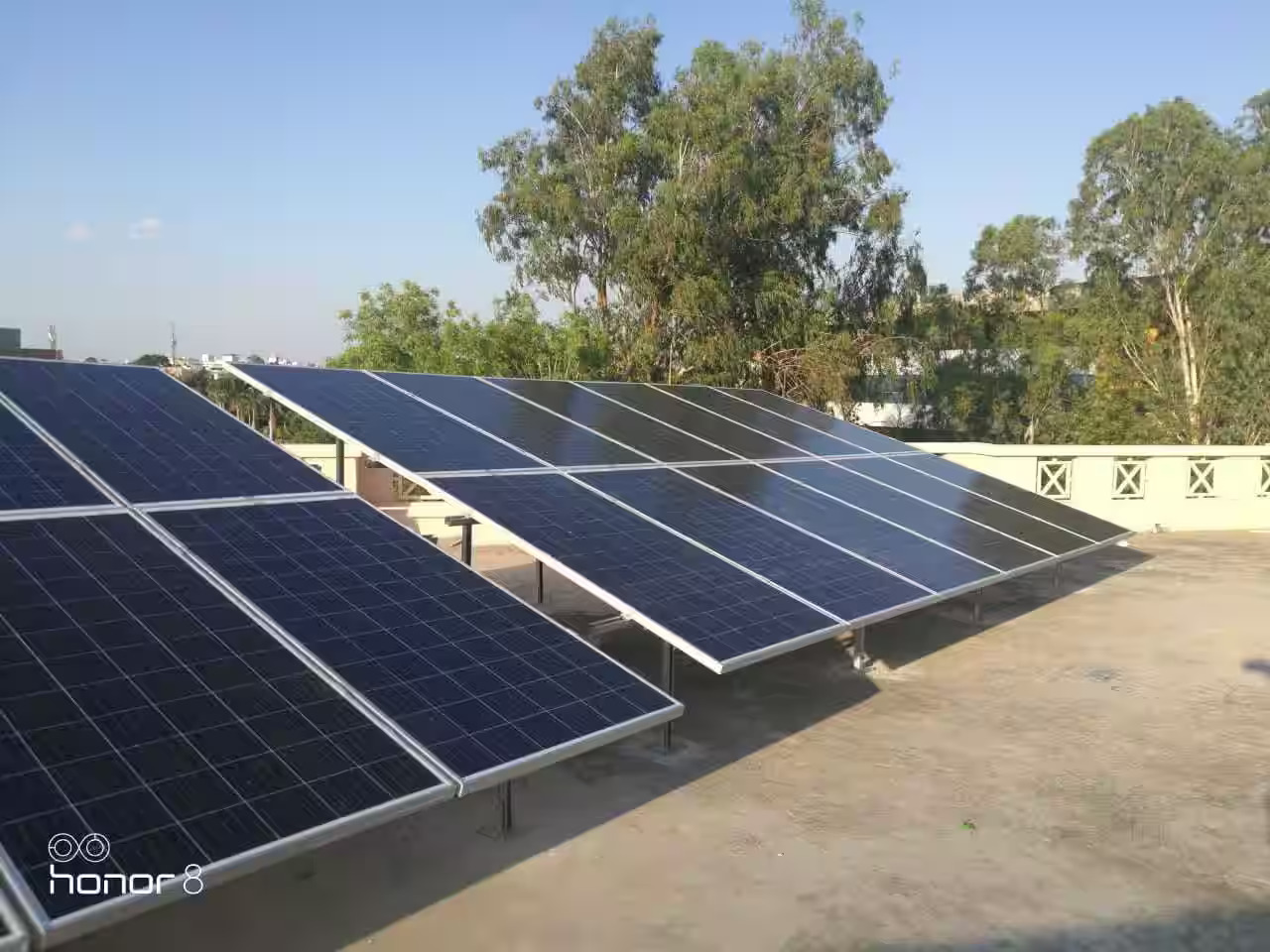
10 kW solar system installed at M3M

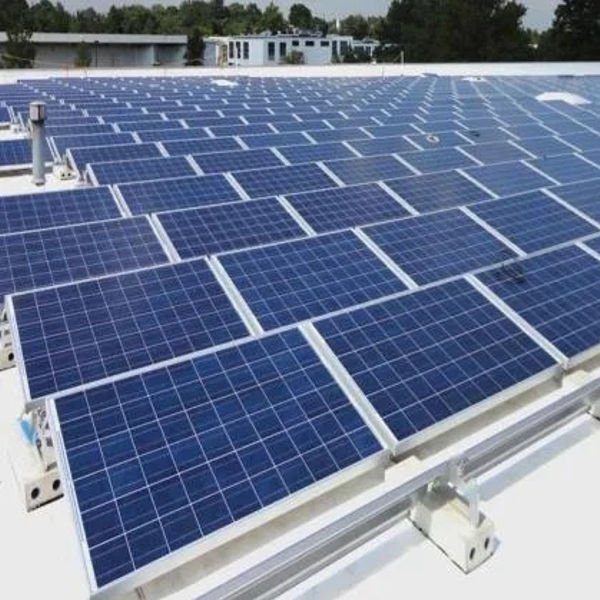
Universal Power team has installed a 10 kW solar system 18 panel at M3M Key Details of the Installation: Solar System Size: 10 kW refers to the capacity of the solar system. This means the system is designed to generate up to 10 kilowatts (kW) of power under optimal sunlight conditions. Number of Panels: 18 solar panels have been installed. To estimate the power output of each panel, we can divide the system\'s total capacity by the number of panels. 10 kW / 18 panels = approximately 555 watts per panel. This indicates that each panel is likely rated around 555W, which is a common wattage for high-efficiency solar panels used in residential and commercial systems. Location – M3M: M3M could be a residential complex, office building, or another commercial facility. Without more specific information, M3M could refer to the area or project where the installation took place. If it’s a large-scale installation, such as for an office or commercial building, the solar panels are likely being used to reduce energy costs and carbon footprint. Energy Production: The energy output of the system will depend on several factors, including the amount of sunlight received, panel orientation, and local weather conditions. In an area with good sunlight, a 10 kW system could produce roughly 40-50 kWh per day on average, depending on the solar irradiance and hours of sunlight in that region. Over a year, this could amount to around 14, 600 to 18, 250 kWh of electricity. Purpose: The solar power system could be installed for various reasons: To reduce energy bills by using clean solar energy. To support sustainability goals, reduce carbon emissions, and make the building or facility more energy-efficient. To provide backup power or support the grid, especially in commercial or industrial settings. Benefits of a 10 kW Solar System: Reduced Electricity Costs: By producing energy from the sun, the system reduces reliance on grid power, thus lowering electricity bills over time. Environmental Impact: The system helps reduce carbon footprints by utilizing renewable energy instead of fossil fuels. Increased Property Value: Properties with solar installations are often valued higher due to the long-term savings on energy costs. Government Incentives: Depending on the region, there may be tax credits, subsidies, or incentives available for installing solar energy systems.

68179d65be22ee500d53ff54 Card 2

product image
Emerson 3-Phase Ups In Manesar

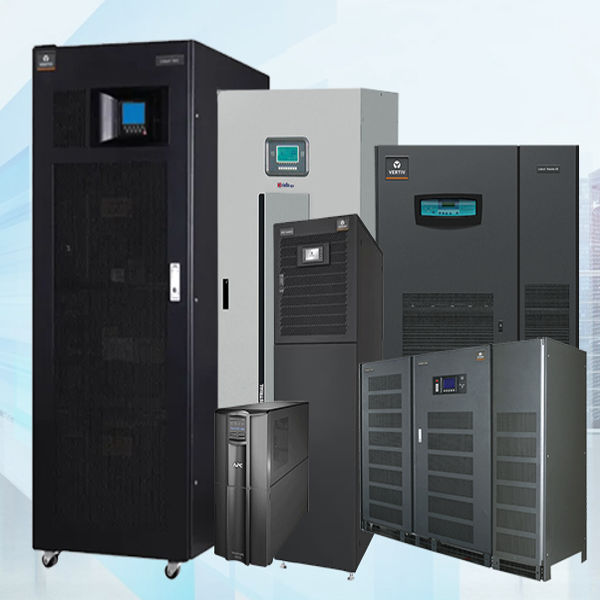
Emerson 3-Phase UPS (Uninterruptible Power Supply) systems are high-quality, reliable power backup solutions typically used in industrial, commercial, and critical infrastructure applications. These systems are designed to provide uninterrupted power to sensitive equipment, preventing downtime due to power interruptions, voltage fluctuations, or other electrical issues. Key Features of Emerson 3-Phase UPS: Power Capacity: 3-Phase UPS systems come in a wide range of power capacities, generally from 10 kVA to 800 kVA or even higher, depending on the model. Suitable for medium to large-scale facilities like data centers, hospitals, manufacturing plants, and office buildings. Technology: Double Conversion Online Technology: Emerson’s 3-phase UPS systems typically use online double conversion technology, meaning that the inverter constantly supplies clean, regulated power to the load while the battery is charging. Efficiency: High-efficiency models (up to 96% or more) reduce energy consumption and operating costs. Battery Management: Integrated advanced battery management for monitoring health, charge, and backup times. High Availability: Designed to provide reliable power for mission-critical applications. Hot Swappable Batteries: In some models, batteries can be replaced without shutting down the UPS, ensuring uninterrupted power supply. Scalability: Many models allow for modular expansion, meaning you can add additional capacity as needed. Input/Output Voltage: Input Voltage: Common input voltages are 380V, 400V, and 415V (3-phase). Output Voltage: Typically 208V, 220V, 230V, or 400V for 3-phase systems, depending on the regional power grid standards. Power Factor: Emerson UPS systems usually have a high power factor of 0.9 or higher, improving efficiency. Advanced Features: LCD/LED Display: Provides real-time data on UPS status, battery health, load levels, and alarms for easy monitoring. Remote Monitoring: Allows remote access for monitoring via web or SNMP (Simple Network Management Protocol) for real-time alerts and diagnostics. Bypass Capability: If maintenance is required or the UPS is malfunctioning, the system can transfer to bypass mode to avoid downtime. Design and Durability: Compact Design: Many models are designed to be space-efficient without compromising on power or cooling needs. Rack-Mountable or Tower Formats: Depending on the installation space, Emerson offers both tower-style and rack-mounted designs. Thermal Management: These UPS systems typically include advanced cooling systems to maintain efficient operation and prevent overheating. Applications: Data Centers: Ensures uptime for servers and networking equipment. Industrial Equipment: Protects critical machinery and automated systems from power failures. Telecommunications: Keeps communication systems running without interruption. Hospitals: Supports life-saving equipment and systems that require constant power. Commercial Buildings: Ensures backup power for office systems and equipment. Maintenance and Service: Smart Battery Testing: Advanced systems monitor the health of batteries and alert users when maintenance or replacement is required. Serviceable Parts: Emerson provides comprehensive support and service contracts to ensure your UPS remains in optimal condition. Proactive Monitoring: With remote monitoring and diagnostic tools, faults can be detected before they impact operations. Popular Models: Emerson (now part of Vertiv) offers various UPS models under different series, such as: Vertiv Liebert® ITA2: A high-efficiency 3-phase UPS solution for small to medium-sized applications. Vertiv Liebert® EXL S1: A modular UPS system that offers scalability and high availability. Vertiv Liebert® NXL: A large capacity 3-phase UPS designed for data centers and industrial applications. Advantages of Emerson 3-Phase UPS: High Reliability: Ensures critical equipment remains powered during power failures or fluctuations. Advanced Technology: Features like online double conversion, modular design, and remote monitoring provide superior performance and flexibility. Energy Efficiency: Many Emerson UPS systems are highly efficient, reducing operating costs and environmental impact. Scalability: As your power requirements grow, Emerson's modular systems can easily expand to meet increased demand. Conclusion: Emerson 3-Phase UPS systems are excellent solutions for businesses and facilities that require high uptime and reliability. With their advanced features, efficient energy use, and robust design, they provide essential power protection for critical infrastructure. Whether you're in need of a UPS for a small office or a large data center, Emerson offers scalable and reliable power backup systems that ensure uninterrupted operation.

68179d65be22ee500d53ff54 Card 2

product image
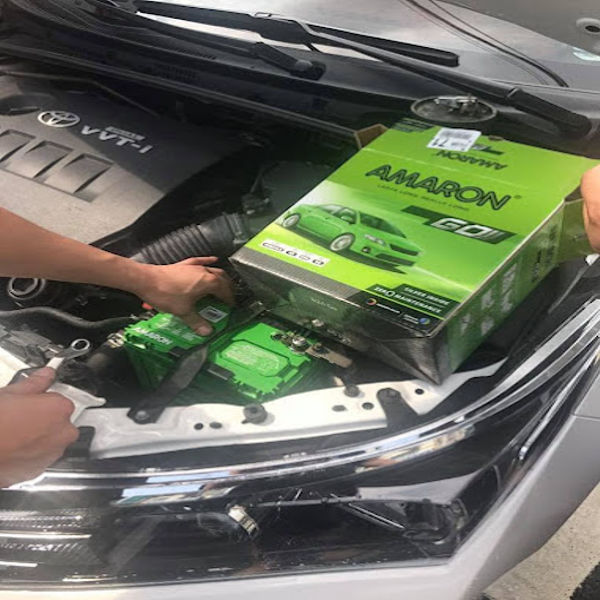
Amaron GO BATTERY IN DELHI

Amaron GO Car Battery is one of the popular car batteries offered by Amaron, known for its reliable performance, durability, and long lifespan. Here’s a detailed overview of the Amaron GO car battery: Key Features of Amaron GO Car Battery: Technology: Advanced Lead-Acid Technology: The Amaron GO uses lead-acid technology, which is widely used for automotive batteries due to its affordability and effectiveness. HVR (High Vibration Resistance): Designed to withstand high vibrations typically found in modern vehicles, ensuring a longer life even in challenging conditions. Capacity and Voltage: The Amaron GO series offers a wide range of car battery capacities to fit different types of vehicles, typically ranging from 35Ah to 70Ah or higher, with a nominal voltage of 12V. Enhanced Performance: Long Life: Amaron GO batteries are designed for long-lasting performance, offering up to 48 months of warranty (depending on model and usage). Low Maintenance: The Amaron GO is a maintenance-free battery, meaning you don’t need to top it up with water, unlike traditional flooded lead-acid batteries. Leakproof: The battery is designed to prevent leakage, which is a common issue with old or poorly maintained batteries. Durability: Heat Resistance: The Amaron GO car batteries are built to handle extreme weather conditions, making them suitable for both hot and cold climates. Vibration Resistance: With its vibration-resistant design, the battery can last longer even in vehicles that experience high levels of vibration, such as SUVs and trucks. Quick Start Power: The Amaron GO battery is designed to provide strong cranking power for reliable engine starts, even in cold weather conditions. Its quick recharge capability allows your vehicle to return to full charge efficiently. Warranty: Warranty: Typically, the Amaron GO series comes with a 48-month warranty, including a 24-month free replacement and 24-month pro-rata. This warranty may vary depending on your region and the specific model. Applications: Personal Cars: Suitable for most types of personal vehicles like sedans, hatchbacks, and SUVs. Commercial Vehicles: Can also be used for light commercial vehicles, depending on the specific capacity and requirements. Specifications (for a typical Amaron GO battery): Voltage: 12V Capacity: 35Ah, 40Ah, 50Ah, 60Ah, 70Ah (depending on the vehicle model) Cold Cranking Amps (CCA): This varies by battery model, typically ranging from 400 to 650 CCA for vehicles that require more starting power. Warranty: 48 months (subject to terms and conditions). Dimensions: Varies by capacity, but typically around 240mm (L) x 175mm (W) x 190mm (H). Weight: Between 9kg and 20kg, depending on the capacity. Advantages: Maintenance-Free: No need to add water or perform regular maintenance. Reliability: Known for excellent reliability, ensuring consistent performance throughout the year. Long Life and Durability: High durability even in extreme conditions, with a long lifespan and reduced chances of failure. Environmentally Friendly: Made using recyclable materials and follows the necessary environmental standards. Disadvantages: Initial Cost: Amaron batteries might have a higher upfront cost compared to some budget-friendly alternatives, but their longevity and performance can make them a good value over time. Conclusion: The Amaron GO Car Battery is a great choice for vehicle owners looking for a reliable, long-lasting, and maintenance-free battery. Whether you have a compact car, an SUV, or a commercial vehicle, the Amaron GO offers excellent starting power, durability, and performance. With a strong warranty and minimal maintenance requirements, it is a solid option for anyone in need of a quality automotive battery.

68179d65be22ee500d53ff54 Card 2

product image
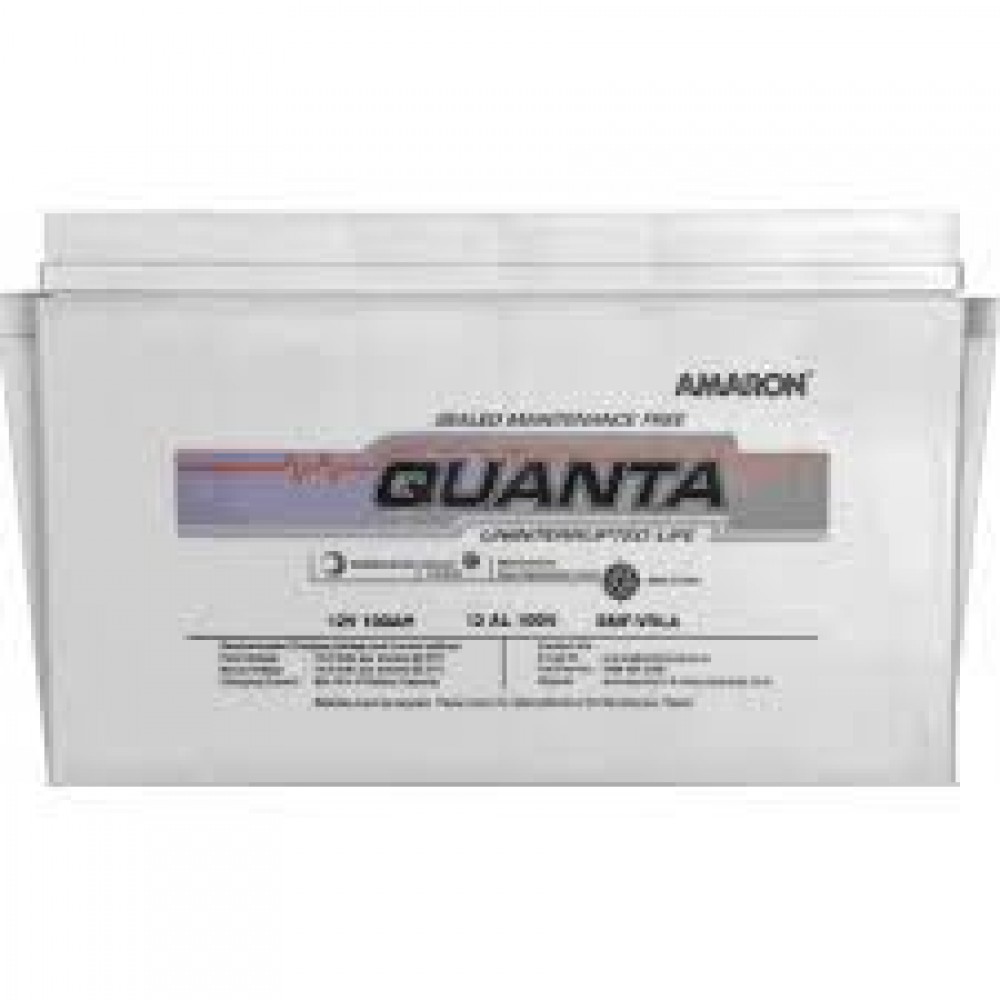
Amaron Quanta 12V 130Ah Battery In Bhiwadi

The Amaron Quanta 12V 130Ah batteries are lead-acid batteries typically used for solar power storage, backup power systems, and other applications that require reliable energy storage. Here's a detailed overview of this battery: Key Features of Amaron Quanta 12V 130Ah Battery: Battery Type: Lead-Acid: This is a type of flooded or sealed (VRLA) lead-acid battery, suitable for deep cycle applications. 12V System: Designed for systems that operate on a 12V DC supply, often used in small-scale solar energy systems, inverters, and backup power setups. Capacity: 130Ah (Ampere-hour): This indicates the battery’s storage capacity. It means the battery can deliver 130 amps for 1 hour or 1 amp for 130 hours at a nominal voltage of 12V. For example, if the system uses 1A of current, the battery will last for around 130 hours before needing a recharge. Applications: Solar Power Systems: To store energy generated by solar panels. UPS (Uninterruptible Power Supply): Provides backup during power outages. Off-Grid Systems: Stores energy for homes or businesses in remote areas. Electric Vehicles and RVs: Sometimes used for backup and auxiliary power. Charging and Discharging: Charging: The battery can be charged through solar panels, inverters, or a regular charger. It is recommended to avoid deep discharges to extend the battery life. Discharging: It should not be discharged fully for longevity. Typically, a depth of discharge (DoD) of 50% to 70% is ideal for long-term use. Battery Life: Cycle Life: Typically, a lead-acid battery like the Amaron Quanta 12V 130Ah can last around 3-5 years, depending on usage and maintenance. Proper charging and maintenance (like keeping the terminals clean and ensuring adequate ventilation) can improve the lifespan of the battery. Advantages: Reliable and Cost-Effective: Lead-acid batteries are typically less expensive than other types of batteries, like lithium-ion. Widely Available: Amaron is a well-known brand, and their batteries are widely available and easy to replace. Maintenance: Flooded Lead-Acid: If it’s a flooded type, you may need to periodically check the water levels and top up with distilled water. VRLA (Valve-Regulated Lead-Acid): If it's a sealed type, it requires less maintenance as it’s sealed and does not need water refills. Specifications: Voltage: 12V Capacity: 130Ah Weight: Around 40-45 kg (approx.), depending on the specific model and construction type. Dimensions: Varies by model, but typically it is about 410mm (L) x 175mm (W) x 240mm (H). Conclusion: The Amaron Quanta 12V 130Ah battery is a good choice for off-grid solar systems, backup power applications, or any system requiring long-lasting energy storage. It offers a solid balance of performance, cost-effectiveness, and reliability. Proper care and maintenance will ensure it provides reliable service for years to come.

68179d65be22ee500d53ff54 Card 2

product image
5 kW solar system installed at nooh school

Universal Power team has installed a 5 kW solar system at nooh school Key Details of the 5 kW Solar System Installation at Nooh School: Solar Power Generation: A 5 kW system typically generates around 20-25 kWh per day depending on sunlight hours and weather conditions. Annual Energy Production: The system could produce around 7, 300 to 9, 125 kWh annually, which can cover a significant portion of the school\'s energy needs. System Components: Solar Panels: Typically, 15-20 panels with a capacity of around 250W-330W each. Inverter: A 5 kW inverter is used to convert the DC power produced by the panels into AC power. Mounting Structure: The solar panels are mounted on the roof or ground, depending on the school\'s infrastructure. Grid Connection: The system is likely connected to the grid, allowing excess energy to be fed back into the grid via net metering, helping reduce electricity costs for the school. Benefits for Nooh School: Cost Savings: The school will benefit from reduced electricity bills by offsetting its grid power usage with solar energy. Sustainability: The system will contribute to a reduction in carbon emissions, helping the school be more environmentally responsible. Educational Opportunity: The solar installation can serve as a live example for students, providing them with a practical demonstration of renewable energy technology. Maintenance: The system requires minimal maintenance, with occasional cleaning of the panels to ensure optimal performance. Panel Lifespan: Solar panels generally last around 25-30 years, with a slight decline in efficiency over time. Inverter Lifespan: Inverters typically last around 10-15 years before needing replacement. Conclusion: The 5 kW solar system installed by Universal Power Team at Nooh School will provide long-term benefits, including reduced electricity costs, environmental sustainability, and educational opportunities for students to learn about solar energy. If more detailed information is needed, contacting Universal Power Team or the school would provide the specifics of the installation.

68179d65be22ee500d53ff54 Card 2

product image
10 kW solar system installed at Parashuram Eye Hospital

10 kW solar Universal Power team has installed a 10 kW solar system at Parashuram Eye Hospital. Key Details of the 10 kW Solar System Installation: Solar Power Generation: A 10 kW system typically generates about 40-50 kWh per day, depending on the location and weather conditions. This translates to 14,600 to 18,250 kWh annually, which will help the hospital meet a significant portion of its energy needs. System Components: Solar Panels: Around 25-30 panels, each with a capacity of 330W-400W. Inverter: A 10 kW inverter is used to convert the DC electricity from the panels into AC electricity for hospital use. Mounting System: Panels are mounted on the roof or ground depending on the hospital's infrastructure. Grid Connection: The system is connected to the grid, allowing the hospital to export excess energy to the grid through net metering. Benefits for Parashuram Eye Hospital: Cost Reduction: The solar system will reduce the hospital's dependence on grid electricity, leading to lower monthly electricity bills. Sustainability: The hospital will be contributing to environmental sustainability by utilizing renewable energy, which helps reduce its carbon footprint. Energy Independence: The system ensures a reliable power source, especially during peak hours or grid outages. Maintenance: Solar panels require minimal maintenance, with periodic cleaning to ensure maximum efficiency. Lifespan: Solar panels typically last 25-30 years, and the inverter may need replacement after 10-15 years. Conclusion: The installation of a 10 kW on-grid solar power system at Parashuram Eye Hospital by Universal Power Team will provide long-term benefits in terms of cost savings, energy independence, and environmental impact. It’s an excellent step towards sustainable energy usage for the hospital. If you need more specific details about this installation, it would be best to contact Universal Power Team or the hospital directly.

68179d65be22ee500d53ff54 Card 2

product image
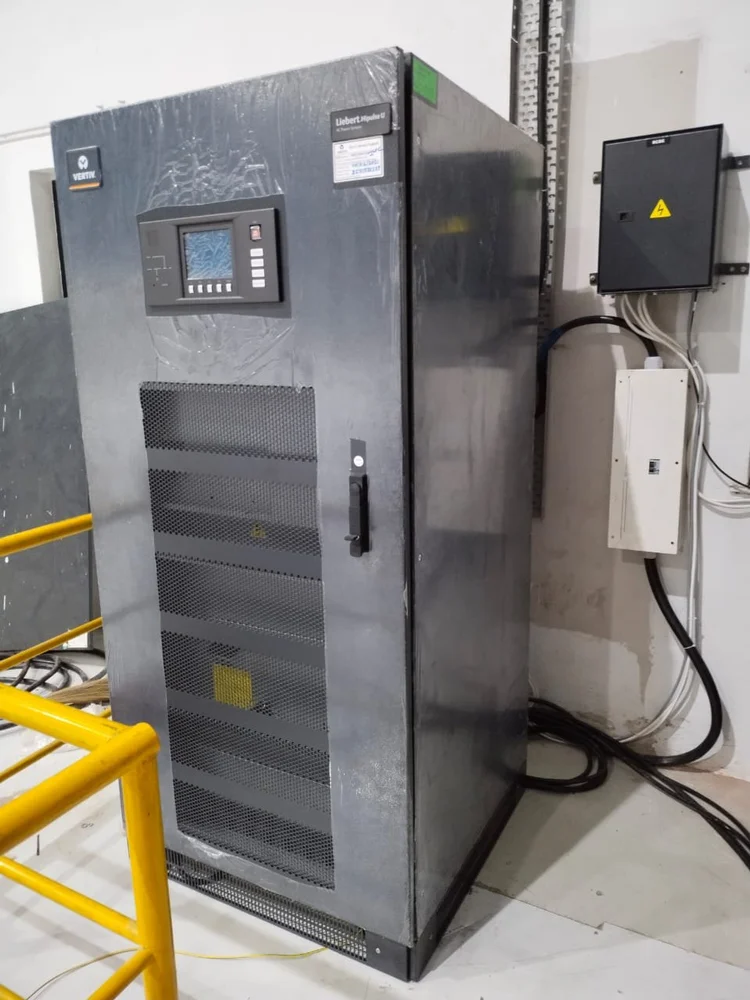
Vertiv 60 kVA to 200 kVA Ups

The Liebert SX series from Vertiv offers UPS systems ranging from 60 kVA to 200 kVA, utilizing full IGBT double conversion technology. This design enhances efficiency, reduces installation and operational costs, and provides reliable power backup solutions for critical applications. Key Features of Liebert SX 60kVA to 200kVA Modular Design: The Liebert SX series features a modular architecture that allows for easy scalability and maintenance. Front Access Design: This design minimizes repair time and optimizes installation and serviceability, making it user-friendly. Environmental Standards: The Liebert SX series is designed to meet high environmental standards, promoting energy efficiency and sustainability. ID Card for Each UPS: Each unit comes with an ID card that includes all working parameters, which helps in reducing downtime during maintenance. Applications Power Backup: Ideal for critical applications requiring uninterrupted power supply. Data Centers: Suitable for use in data centers where reliability and efficiency are paramount. Industrial Use: Can be utilized in various industrial settings to ensure consistent power availability. Contact Information for Further Inquiries Company: Universal Power System Location: Plot No.-70, Udyog Vihar-VI, Sector-37 Gurugram, Haryana, India -122001 Mobile - 8744823336 Email: info@universalpower.co.in

68179d65be22ee500d53ff54 Card 2

product image
Vertiv Liebert PS15 UPS

The Vertiv Liebert PS15 UPS is a model of Uninterruptible Power Supply (UPS) designed to provide reliable power protection for various types of critical equipment, such as servers, networking devices, and other essential electronics. Here's a general overview of its key features: Key Features: Power Capacity: The Liebert PS15 typically offers a 15kVA (kilovolt-ampere) power capacity, making it suitable for medium to large-sized IT and data center applications. Form Factor: It's available in both tower and rack-mounted configurations, providing flexibility in installation based on the user's space requirements. True Online Double-Conversion Technology: The UPS employs a double-conversion topology, which provides continuous, clean power to connected devices by isolating them from input power fluctuations, ensuring consistent voltage output. High Efficiency: The Liebert PS15 often features advanced efficiency modes to reduce energy consumption, particularly in non-critical load conditions. Scalability: Some models in this series can be expanded with external battery cabinets, providing longer backup runtimes when needed. Monitoring & Management: Equipped with advanced monitoring options, the UPS can be connected to networked management systems, offering remote monitoring, control, and alerting for efficient power management. Battery Technology: The unit uses valve-regulated lead-acid (VRLA) or lithium-ion batteries, depending on the configuration. VRLA batteries are the most common, though lithium-ion options may offer longer lifespan and better energy density. Input and Output Voltage: The UPS typically supports a wide input voltage range and provides stable 208V/400V output, depending on the model configuration. Safety Features: Includes built-in surge protection, overload protection, and short-circuit protection for both the unit and connected equipment. Applications: IT Infrastructure: Ideal for protecting servers, storage devices, and networking equipment in small and medium-sized data centers. Telecommunication: Provides power protection for critical telecommunications equipment. Healthcare: Ensures that sensitive medical equipment continues to operate without interruption. Manufacturing and Industrial: Often used in industries where downtime due to power failure is not an option. Maintenance and Support: Vertiv offers various support options for its UPS systems, including extended warranties, remote diagnostics, and on-site service.

68179d65be22ee500d53ff54 Card 2

product image
Amaron DG batteries

Amaron DG batteries are a product line of automotive batteries designed and manufactured by Amara Raja Batteries Limited. They are commonly used in vehicles and are known for their durability, performance, and reliability. The DG (Deep Cycle) series is often designed for applications that require a constant power supply over a longer period, such as in cars, SUVs, and even commercial vehicles. Some key features of Amaron DG batteries include: Longer Life: Amaron DG batteries are known for their longer lifespan due to advanced manufacturing technology and quality materials. Maintenance-Free: These batteries are generally maintenance-free, which means you do not need to top up the electrolyte regularly. High Cranking Power: They offer excellent cranking power, which is important for starting engines quickly. Vibration Resistance: Amaron DG batteries are designed to withstand vibrations, which is crucial for vehicles that go through rough terrain or experience a lot of motion. Corrosion Resistance: The materials used in Amaron batteries provide a strong resistance to corrosion, which can extend the life of the battery. Reliable Performance in Extreme Conditions: They can perform well even in extreme weather conditions, whether it’s extreme heat or cold.

68179d65be22ee500d53ff54 Card 2

product image
Maintenance Tips for UPS Systems and Batteries​

Maintaining your Uninterruptible Power Supply (UPS) system and its batteries is crucial for ensuring reliable performance and extending their lifespan. Here are some essential maintenance tips: 1. Regular Inspection Visual Checks: Inspect the UPS and batteries for any signs of physical damage, leaks, or corrosion. Connections: Ensure that all connections are secure and free from dust and corrosion. 2. Battery Maintenance Battery Testing: Regularly test the batteries for capacity and performance. Use a battery tester to check voltage and load. Clean Terminals: Keep battery terminals clean and free from corrosion. Use a mixture of baking soda and water to clean any corrosion, and ensure terminals are dry before reconnecting. Check Electrolyte Levels: For flooded lead-acid batteries, check the electrolyte levels regularly and top up with distilled water as needed. 3. Environmental Considerations Temperature Control: Keep the UPS and batteries in a cool, dry environment. High temperatures can reduce battery life significantly. Ventilation: Ensure proper ventilation around the UPS to prevent overheating. Avoid placing it in enclosed spaces without airflow. 4. Regular Testing Self-Test: Perform regular self-tests to ensure the UPS is functioning correctly. Most UPS systems have a built-in self-test feature. Load Testing: Conduct load tests periodically to ensure the UPS can handle the required load during a power outage. 5. Firmware and Software Updates Keep Software Updated: Regularly check for and install firmware updates for your UPS. This can improve performance and security. Monitoring Software: Use UPS monitoring software to track performance metrics and receive alerts for any issues. 6. Battery Replacement Follow Manufacturer Guidelines: Replace batteries according to the manufacturer\'s recommendations, typically every 3-5 years for lead-acid batteries. Dispose of Batteries Properly: Follow local regulations for the disposal of batteries to ensure environmental safety. 7. Load Management Avoid Overloading: Ensure that the total load connected to the UPS does not exceed its rated capacity. This can lead to overheating and reduced battery life. Balanced Load: Distribute the load evenly across all outlets to prevent any single outlet from being overloaded. 8. Documentation Keep Records: Maintain a log of maintenance activities, battery replacements, and any issues encountered. This can help in troubleshooting and planning future maintenance. 9. Professional Maintenance Schedule Professional Inspections: Consider having a qualified technician perform regular inspections and maintenance, especially for larger UPS systems. 10. User Training Educate Staff: Train staff on the proper use and maintenance of the UPS system, including how to respond in case of a power outage.

68179d65be22ee500d53ff54 Card 2

product image
VERTIV ITA UPS

The Vertiv Liebert ITA 5kVA Online UPS is designed for small computer rooms and network equipment, offering reliable power protection. Key features include a compact design, high power factor, scalable battery runtimes, and options for rackmount or tower configurations. For detailed specifications, you can refer to the datasheets available online. ### Key Specifications Model: Vertiv Liebert ITA 5kVA Type: Online UPS Power Rating: 5 kVA Input Voltage Range: Wide input voltage range, ensuring immunity to grid interference Output Voltage: Typically 230V (single phase) Efficiency: High efficiency, contributing to lower operational costs Key Features Double Conversion Technology: Provides clean and consistent power, protecting sensitive equipment from power disturbances. Programmable Output: Features programmable output outlets with cascade protection for critical devices during heavy loads. Integrated Monitoring: Comes with an integrated Ethernet port for remote monitoring via HTTP protocol. User -Friendly Interface: Gravity sense LCD display for easy monitoring and management. Robust Design: Built with a cutting-edge channelized airflow design for optimal cooling and performance. Applications Data Centers: Ideal for protecting servers and networking equipment. Telecommunications: Suitable for telecom applications requiring uninterrupted power. Healthcare: Ensures reliable power for critical medical equipment. Conclusion The Vertiv Liebert ITA 5kVA Online UPS is a robust solution for various applications requiring reliable power protection. Its advanced features and high efficiency make it a suitable choice for businesses looking to safeguard their critical equipment against power interruptions. Always consult with suppliers for the latest pricing and availability.

Phone Number

08042781580

Please keep 0 before dialling the number.

Mon-Thu: 10 AM - 2 PM • Fri: 3 PM - 7AM

Address Bhiwadi, Rajasthan, India

Bhiwadi, India, 301019