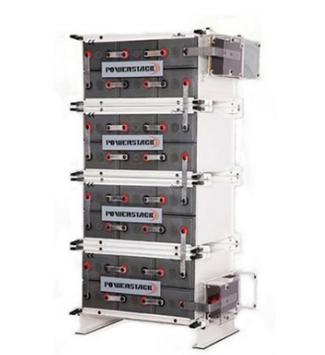
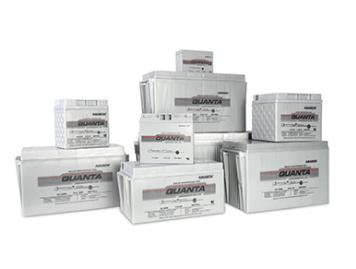
Description
Maintaining your Uninterruptible Power Supply (UPS) system and its batteries is crucial for ensuring reliable performance and extending their lifespan. Here are some essential maintenance tips:
1. Regular Inspection
Visual Checks: Inspect the UPS and batteries for any signs of physical damage, leaks, or corrosion.
Connections: Ensure that all connections are secure and free from dust and corrosion.
2. Battery Maintenance
Battery Testing: Regularly test the batteries for capacity and performance. Use a battery tester to check voltage and load.
Clean Terminals: Keep battery terminals clean and free from corrosion. Use a mixture of baking soda and water to clean any corrosion, and ensure terminals are dry before reconnecting.
Check Electrolyte Levels: For flooded lead-acid batteries, check the electrolyte levels regularly and top up with distilled water as needed.
3. Environmental Considerations
Temperature Control: Keep the UPS and batteries in a cool, dry environment. High temperatures can reduce battery life significantly.
Ventilation: Ensure proper ventilation around the UPS to prevent overheating. Avoid placing it in enclosed spaces without airflow.
4. Regular Testing
Self-Test: Perform regular self-tests to ensure the UPS is functioning correctly. Most UPS systems have a built-in self-test feature.
Load Testing: Conduct load tests periodically to ensure the UPS can handle the required load during a power outage.
5. Firmware and Software Updates
Keep Software Updated: Regularly check for and install firmware updates for your UPS. This can improve performance and security.
Monitoring Software: Use UPS monitoring software to track performance metrics and receive alerts for any issues.
6. Battery Replacement
Follow Manufacturer Guidelines: Replace batteries according to the manufacturer\'s recommendations, typically every 3-5 years for lead-acid batteries.
Dispose of Batteries Properly: Follow local regulations for the disposal of batteries to ensure environmental safety.
7. Load Management
Avoid Overloading: Ensure that the total load connected to the UPS does not exceed its rated capacity. This can lead to overheating and reduced battery life.
Balanced Load: Distribute the load evenly across all outlets to prevent any single outlet from being overloaded.
8. Documentation
Keep Records: Maintain a log of maintenance activities, battery replacements, and any issues encountered. This can help in troubleshooting and planning future maintenance.
9. Professional Maintenance
Schedule Professional Inspections: Consider having a qualified technician perform regular inspections and maintenance, especially for larger UPS systems.
10. User Training
Educate Staff: Train staff on the proper use and maintenance of the UPS system, including how to respond in case of a power outage.