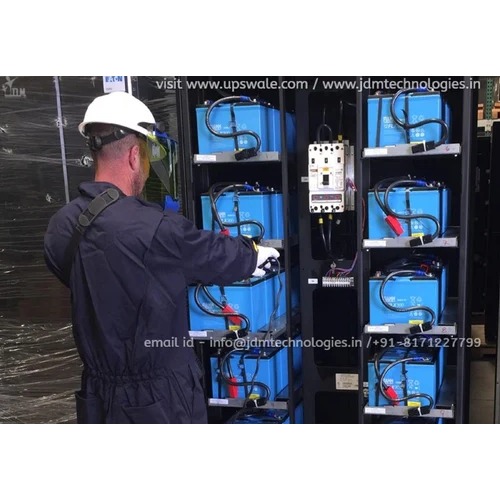
Rental Of Ups And Batteries
When it comes to rental and maintenance for UPS (Uninterruptible Power Supply) systems and batteries, here’s a breakdown of what you might need to know:
Rental of UPS and Batteries
Why Rent?
Short-Term Needs: Renting is useful for temporary projects, events, or during a power upgrade or system replacement.
Cost-Effectiveness: Renting can be more economical than purchasing for temporary needs.
Flexibility: Allows for upgrading or changing equipment based on current requirements without a long-term commitment.
Types of Rentals:
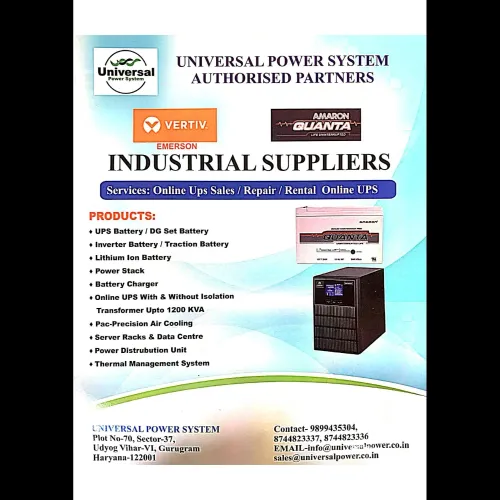
UPS Rentals: Available in various sizes and capacities to match the power needs of your equipment. Rentals might include options for different types of UPS systems (standby, line-interactive, or online).
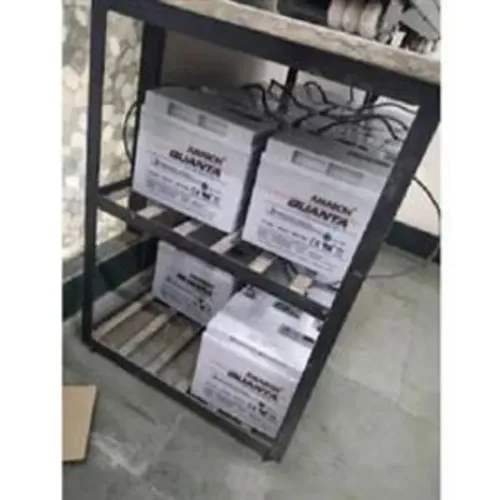
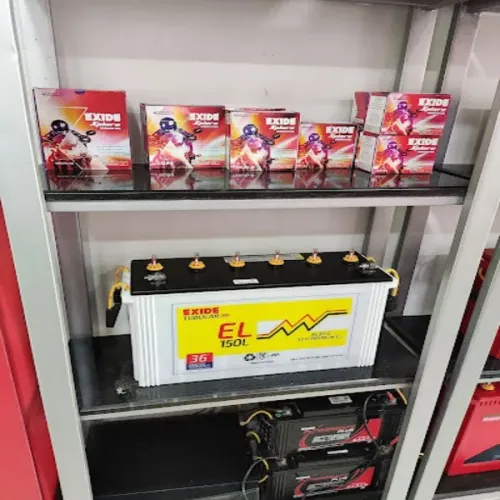
Battery Rentals: Sometimes included with UPS rentals, or offered separately, especially if you need specific types or capacities temporarily.
Rental Agreements Typically Include:
Equipment Delivery and Setup: The rental company usually handles delivery, installation, and configuration.
Support and Maintenance: Basic support during the rental period, including troubleshooting and repairs.
Terms and Conditions: Duration of rental, costs, responsibilities for damage, and terms for early return.
Maintenance of UPS and Batteries
Why Maintenance Matters:
Reliability: Regular maintenance ensures that your UPS and batteries function correctly when needed.
Longevity: Proper care extends the lifespan of your equipment and batteries.
Performance: Ensures that the UPS provides optimal protection and power quality.
Maintenance Services Include:
Routine Inspections: Regular check-ups to assess the health of the UPS and batteries.
Battery Testing and Replacement: Monitoring battery performance and replacing them before they fail.
Preventive Maintenance: Cleaning, tightening connections, and checking all system components.
Emergency Repairs: Quick response to any issues that arise, minimizing downtime.
Software Updates: Keeping UPS management software up-to-date for optimal performance.
Maintenance Agreements:
Service Contracts: Often offered as part of rental agreements or separately, covering regular maintenance, emergency repairs, and sometimes replacement parts.
Custom Plans: Tailored maintenance plans based on your specific needs and equipment.
Choosing a Provider:
Reputation: Look for providers with a good track record in both rental and maintenance services.
Response Time: Ensure they offer timely support, especially for emergency repairs.
Support Services: Check if they provide comprehensive support, including remote monitoring and troubleshooting.
Cost: Compare rental and maintenance costs to find a balance between your budget and service quality.
Whether you’re renting or need maintenance services, it’s important to work with a provider that meets your specific needs and offers reliable support to keep your power systems running smoothly.