Thank you for writing to us. One of our executive will reach back to you through your submitted medium. In case there’s an urgency, feel free to connect over WhatsApp for faster response.
Prefer calling? Dial +918048033031 (International callers) or 08048033031 (Indian callers).
Repairing and testing an APC UPS (Uninterruptible Power Supply) involves several steps to diagnose issues and ensure the unit functions properly. Here’s a detailed guide on how to approach this:
Common Issues with APC UPS
Battery Failure: Most common issue; symptoms include frequent beeping and inability to hold a charge.
Overload: The UPS may beep continuously if connected devices exceed its capacity.
Faulty Output: No power output despite being plugged in.
Firmware Issues: May require updates or resets.
Tools Needed
Multimeter
Screwdriver set
Replacement batteries (if needed)
Laptop or PC for firmware updates
Diagnostic software (if applicable)
Testing Procedure
Visual Inspection:
Check for physical damage, burnt components, or loose connections.
Inspect the battery for any signs of swelling or leakage.
Battery Testing:
Disconnect the UPS from the wall outlet.
Use a multimeter to measure the battery voltage. Compare it to the rated voltage (e.g., 12V for most lead-acid batteries).
If the voltage is significantly lower, consider replacing the battery.
Load Testing:
Connect a load tester to the UPS and apply a known load (within the UPS capacity).
Monitor the output voltage and see if it remains stable under load.
Output Testing:
Plug the UPS into the wall and turn it on.
Measure the output voltage with a multimeter to ensure it’s delivering the correct voltage (typically around 120V or 230V depending on your region).
Check if the UPS switches to battery mode when you disconnect it from the wall.
Overload Testing:
Gradually increase the load on the UPS until it beeps or shuts down.
Verify that it returns to normal operation once the overload is removed.
Repair Procedures
Battery Replacement:
Follow the manufacturer’s guidelines for replacing batteries.
Dispose of old batteries responsibly.
Firmware Updates:
Connect the UPS to a computer.
Use APC’s software (like PowerChute) to check for and install firmware updates.
Component Repair:
If internal components (like capacitors or fans) are damaged, soldering skills may be required for repairs or replacements.
Reassembly:
Carefully reassemble the UPS, ensuring all screws are tightened and no wires are pinched.
Final Testing
After repairs, conduct a full load test to ensure the UPS operates correctly under stress.
Monitor for any unusual noises or overheating during operation.
Safety Precautions
Always ensure the UPS is unplugged before performing internal inspections or repairs.
Handle batteries with care, as they can be hazardous.
Conclusion
Regular testing and maintenance of your APC UPS can extend its lifespan and ensure reliable performance. If issues persist after self-repair attempts, consider consulting a professional technician or contacting APC support for assistance.
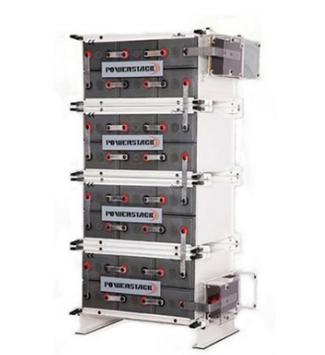
Amara raja 2 volt power stack batteries
Powerstack is a high performance battery designed to meet the demands of a wide range of industrial applications. The Powerstack range is modular in structure and is capable of accommodating a wide spectrum of capacities depending on the application.Innovative Plate design offers low internal resistance and superior high rate discharge performance.Advanced AGM separator offering a longer service life and enhanced high rate discharge performance,100% charged when shipped from factory
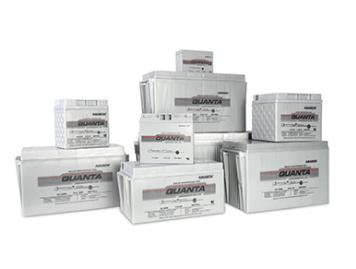
AMARON QUANTA is the industrial segment SMF battery for UPS applications. This battery is built to perform. In short, the lifeline to your UPS applications. AMARON QUANTA is a product of fail-safe, fool-proof battery technology, produced and tested in our premier manufacturing facility. Built to the highest technical competence in its class, the AMARON QUANTA is an example of Amara Raja's commitment to bringing the best of technology to your table. It features several firsts for the battery industry like the unique Radgrid
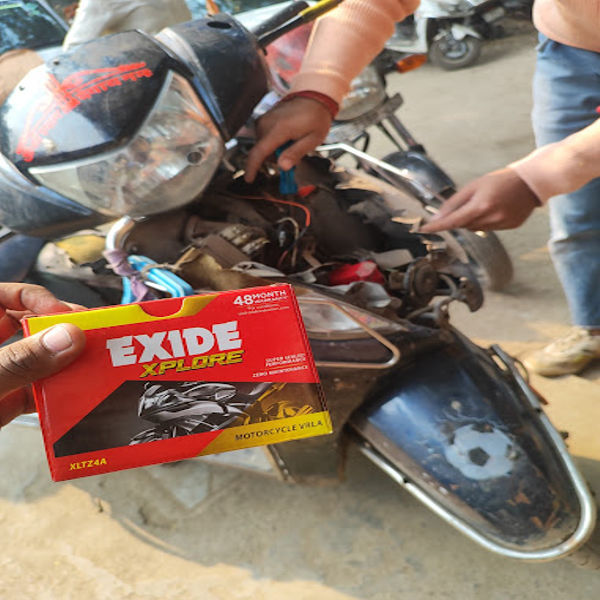
Exide bike batteries are designed for high performance and durability in two-wheelers. Here are key details:
Type: VRLA (Valve Regulated Lead Acid) and conventional flooded batteries, suitable for different bike models.
Features: Maintenance-free, spill-proof, vibration-resistant, and designed for quick starting power.
Applications: Used in motorcycles, scooters, and other two-wheelers for reliable starting and backup power.
Durability: High resistance to extreme temperatures and rough road conditions.
Maintenance: Low maintenance with easy water level checks (for conventional types).
Exide is a trusted brand for two-wheeler batteries, known for its long-lasting performance and reliability.
Exide Bike Battery In Bhiwadi
product-detail-entry-exit
plot no 70 , Udyog Vihar Industrial Area Phase VI , Sector 37