Thank you for writing to us. One of our executive will reach back to you through your submitted medium. In case there’s an urgency, feel free to connect over WhatsApp for faster response.
Prefer calling? Dial +918048033031 (International callers) or 08048033031 (Indian callers).
Battery Cells are the fundamental building blocks of batteries. They convert chemical energy into electrical energy through electrochemical reactions. Each cell typically consists of an anode, a cathode, an electrolyte, and a separator.
Types of Battery Cells
Lead-Acid Cells
Components: Lead dioxide (cathode), sponge lead (anode), sulfuric acid (electrolyte).
Characteristics:
Voltage: Typically 2V per cell.
Rechargeable: Yes (flooded, AGM, or gel).
Applications: Automotive batteries, UPS systems, and backup power.
Nickel-Cadmium (NiCd) Cells
Components: Nickel hydroxide (cathode), cadmium (anode), potassium hydroxide (electrolyte).
Characteristics:
Voltage: 1.2V per cell.
Rechargeable: Yes.
Applications: Power tools, emergency lighting, and some medical devices.
Nickel-Metal Hydride (NiMH) Cells
Components: Nickel hydroxide (cathode), hydrogen-absorbing alloy (anode), potassium hydroxide (electrolyte).
Characteristics:
Voltage: 1.2V per cell.
Rechargeable: Yes.
Applications: Hybrid vehicles, rechargeable batteries for consumer electronics.
Lithium-Ion (Li-ion) Cells
Components: Lithium cobalt oxide or lithium iron phosphate (cathode), graphite (anode), lithium salt in organic solvent (electrolyte).
Characteristics:
Voltage: 3.6V to 3.7V per cell.
Rechargeable: Yes.
Applications: Smartphones, laptops, electric vehicles, and energy storage systems.
Lithium Polymer (LiPo) Cells
Components: Similar to Li-ion but use a polymer electrolyte.
Characteristics:
Voltage: 3.7V per cell.
Rechargeable: Yes.
Applications: Drones, RC vehicles, and portable devices due to lightweight and flexibility.
Alkaline Cells
Components: Zinc (anode), manganese dioxide (cathode), potassium hydroxide (electrolyte).
Characteristics:
Voltage: 1.5V per cell.
Non-rechargeable (disposable).
Applications: Household devices, flashlights, and remote controls.
Zinc-Carbon Cells
Components: Zinc (anode), manganese dioxide (cathode), ammonium chloride (electrolyte).
Characteristics:
Voltage: 1.5V per cell.
Non-rechargeable (disposable).
Applications: Low-drain devices like clocks and toys.
Components of Battery Cells
Anode: The negative electrode where oxidation occurs.
Cathode: The positive electrode where reduction takes place.
Electrolyte: A medium that allows ionic movement between the anode and cathode.
Separator: A barrier that prevents direct contact between anode and cathode while allowing ionic flow.
Characteristics of Battery Cells
Voltage: The electric potential difference; varies by cell type.
Capacity: Measured in Ampere-hours (Ah), indicates how much charge a battery can store.
Energy Density: Amount of energy stored per unit volume or weight, typically measured in Wh/kg.
Cycle Life: Number of charge/discharge cycles before capacity drops significantly.
Self-Discharge Rate: Rate at which a battery loses its charge when not in use.
Applications of Battery Cells
Consumer Electronics: Smartphones, laptops, tablets.
Automotive: Electric vehicles, hybrid vehicles, starting batteries.
Industrial: Forklifts, backup power for servers and telecommunications.
Renewable Energy: Solar energy storage systems and grid storage.
Portable Devices: Cameras, drones, and power tools.
Conclusion
Battery cells are essential components in various applications, providing energy storage and supply. Understanding the types, characteristics, and applications helps in selecting the right battery for specific needs. Always consider factors like voltage, capacity, and intended use when working with batteries.
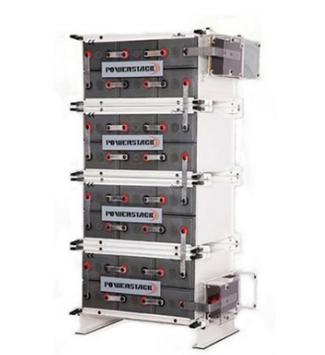
Amara raja 2 volt power stack batteries
Powerstack is a high performance battery designed to meet the demands of a wide range of industrial applications. The Powerstack range is modular in structure and is capable of accommodating a wide spectrum of capacities depending on the application.Innovative Plate design offers low internal resistance and superior high rate discharge performance.Advanced AGM separator offering a longer service life and enhanced high rate discharge performance,100% charged when shipped from factory
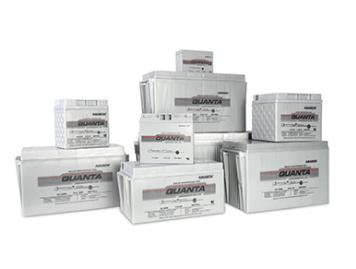
AMARON QUANTA is the industrial segment SMF battery for UPS applications. This battery is built to perform. In short, the lifeline to your UPS applications. AMARON QUANTA is a product of fail-safe, fool-proof battery technology, produced and tested in our premier manufacturing facility. Built to the highest technical competence in its class, the AMARON QUANTA is an example of Amara Raja's commitment to bringing the best of technology to your table. It features several firsts for the battery industry like the unique Radgrid
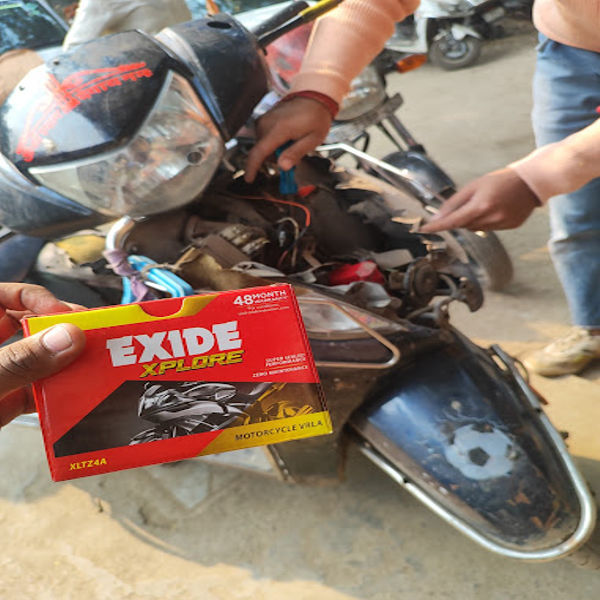
Exide bike batteries are designed for high performance and durability in two-wheelers. Here are key details:
Type: VRLA (Valve Regulated Lead Acid) and conventional flooded batteries, suitable for different bike models.
Features: Maintenance-free, spill-proof, vibration-resistant, and designed for quick starting power.
Applications: Used in motorcycles, scooters, and other two-wheelers for reliable starting and backup power.
Durability: High resistance to extreme temperatures and rough road conditions.
Maintenance: Low maintenance with easy water level checks (for conventional types).
Exide is a trusted brand for two-wheeler batteries, known for its long-lasting performance and reliability.
Exide Bike Battery In Bhiwadi
product-detail-entry-exit
plot no 70 , Udyog Vihar Industrial Area Phase VI , Sector 37